Roof Leak Repairs: Should You Fix It From Inside or Outside?
When rainwater starts dripping through your ceiling, the first instinct is to stop the leak as fast as possible. But where do you actually start? Many homeowners face a choice: patch things up from the inside, where the water stain is visible, or get up on the roof and fix the source. Both approaches have their place, and the right call depends on the severity of the leak, the weather, and your comfort level with temporary versus permanent repairs. Understanding when each method works best can save you from bigger problems down the road.
Why the source matters more than the stain
A water stain on your ceiling is the symptom, not the problem. The stain shows where water has pooled on the attic floor or soaked through drywall, but the actual breach is almost always elsewhere. Water travels along rafters, underlayment, and roof decking before it finally drips. So while an inside patch might stop the drip, it often does nothing about the real entry point. That is why emergency roof repair usually starts with a careful assessment of what is happening above the damaged area.
If you can see daylight through a crack in the roof deck or notice a gap around a roof penetration such as a vent pipe or chimney, the fix needs to happen on the outside. Leaks that come from damaged roof flashing or a lifted drip edge also require exterior work. In those cases, an inside repair is only a temporary stopgap. But when heavy rain is actively falling or a storm is passing through, going outside may not be safe or practical. That is when an interior solution becomes the smarter short-term move.
READY ROOFING, LLC is also on LinkedIn.
When to repair from the inside
Inside repairs are best thought of as emergency measures. They buy time until the weather clears and a proper exterior fix can be made. The most common interior approach is to place a bucket or pan under the drip, then seal the area around the leak from below. Some people use roofing cement, hydraulic cement, or a patch kit designed for wet surfaces. These products can hold back water for days or even weeks, but they are not meant to last.
Another interior method involves cutting a small hole in the drywall to let trapped water drain into a bucket, then drying the cavity and applying a patch. This can prevent the ceiling from collapsing under the weight of pooled water. It also gives you a chance to inspect the attic side of the roof deck and see how far the moisture has traveled. If the attic insulation is soaked, it may need to be removed to prevent mold growth.
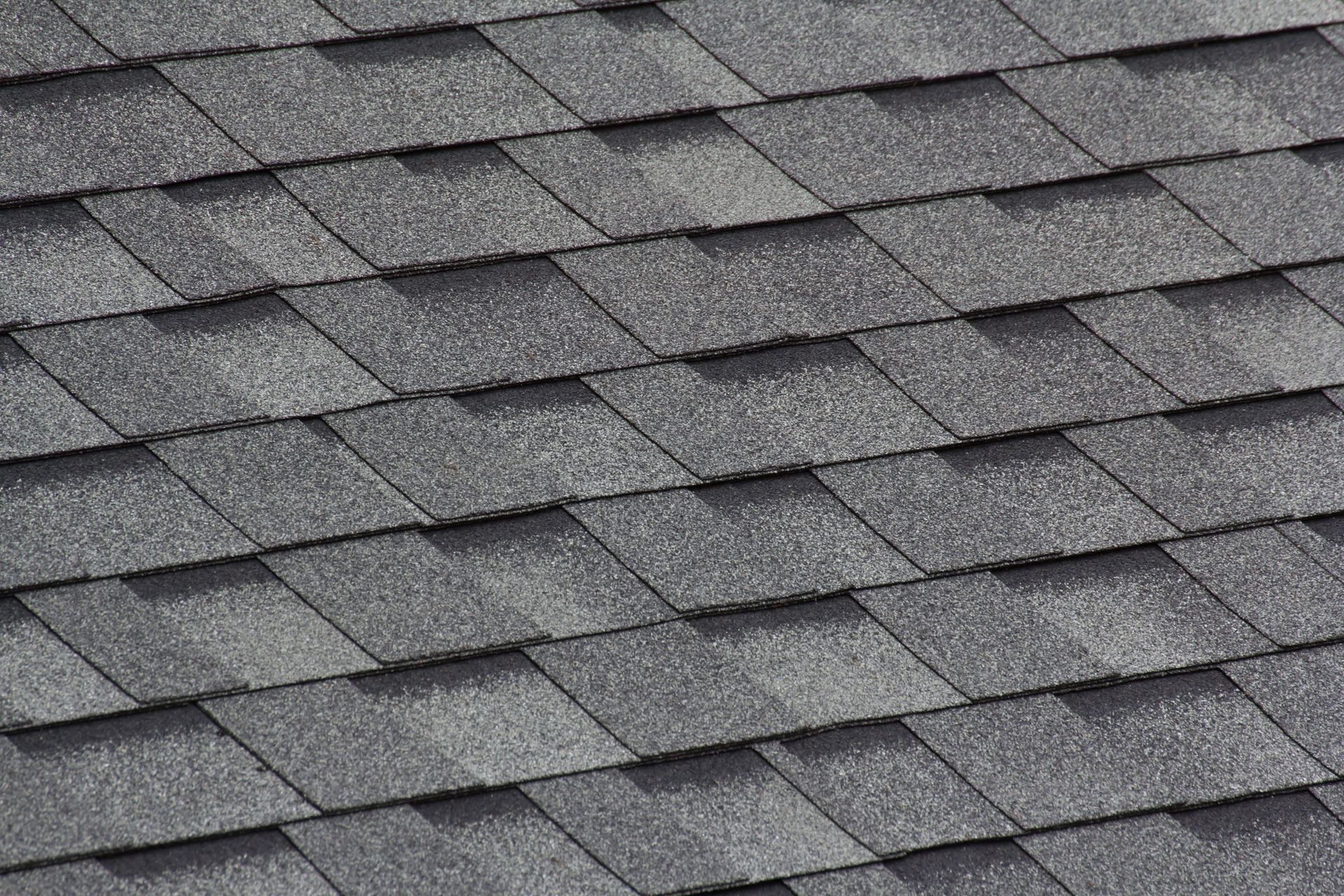
Inside repairs work well when:
- Severe weather makes roof access dangerous.
- The leak is small and from a single nail hole or minor crack.
- You need a quick fix to protect furniture or flooring.
- The roof is steep, slippery, or high and you have no safety gear.
The trade-off is that inside repairs rarely address the underlying damage. Moisture can still get into the roof deck and underlayment, leading to rot and mold over time. Also, sealing a leak from below can trap water inside the roof layers, which accelerates deterioration. So think of interior patches as a holding action, not a cure.
When to repair from the outside
An exterior repair tackles the leak at its source. This usually means locating the damaged shingle, flashing, or vent boot and replacing or sealing it. For many leaks, a new layer of roofing cement or a piece of flashing tape applied to the outside is all it takes. For larger issues, such as a blown-off shingle or a split in the roof deck, the repair may require removing and replacing sections of the roof covering.
Outside repairs are almost always more durable. They keep water out of the roof assembly entirely, which prevents damage to the deck, insulation, and interior ceiling. They also address the root cause, meaning you are less likely to see the same leak again in a few months. For leaks around chimneys, vents, and skylights, exterior work is the only real option. Roof flashing and sealants degrade over time, and patching them from beneath is rarely effective.
Exterior repairs make sense when:
- The weather is calm and dry.
- You have a safe way to access the roof, such as a sturdy ladder and harness.
- The leak is coming from a damaged shingle, flashing, or roof penetration.
- You are ready for a permanent fix rather than a temporary stopgap.
The main downside is safety. Working on a roof is dangerous, especially after a storm when surfaces are wet. If you are not comfortable with heights or lack proper equipment, it is wiser to call a professional. Another drawback is that exterior repairs can be harder to diagnose if the source is not obvious. Sometimes what looks like a flashing issue turns out to be a problem with the underlayment several feet away.

Making the call on a real leak
In a typical emergency roof repair scenario, the best approach is often a combination. First, stop the active leak from inside using a bucket and a temporary seal. That gives you time to assess the situation without causing more interior damage. Once the rain stops and the roof dries, an exterior inspection can pinpoint the source. Then you can perform a permanent fix from the outside. This two-step method is common among contractors who deal with storm damage regularly.
One thing to watch out for is the temptation to over-seal. Applying too much roofing cement or caulk can trap moisture or create lumps that cause future leaks. Less is more when it comes to patching. Also, be careful not to damage nearby shingles or flashing while working on the roof. If you are unsure about the condition of the roof deck or underlayment, a closer look from the attic side can reveal rot or soft spots that need attention.
For those looking at professional leaking roof solutions, it helps to understand that a good contractor will evaluate both interior and exterior signs before deciding on a repair plan. They will check for water stains, mold, and damp insulation in the attic, then inspect the roof surface for damaged shingles, gaps in flashing, and clogged gutters. A thoughtful approach that looks at the whole picture tends to produce longer-lasting results than a quick patch from either side.
Long-term thinking for roof health
Even after a leak is fixed, the underlying causes often remain. Stormwater can exploit weak spots that were already developing. Repeated leaks in the same area suggest a chronic problem, such as aging flashing, a low spot on the roof where water pools, or deteriorated underlayment. In those cases, a simple repair may not be enough. A full replacement of the affected section or an upgrade to more durable materials might be the better investment.
Homeowners in Northern Florida, where storms are frequent, often face this decision more than once. Heavy rain and high winds can damage roofs in ways that are not obvious until the next downpour. That is why regular inspections and timely maintenance are worth the effort. Catching a small issue before it becomes a major leak can save thousands in interior repairs and prevent mold problems that affect indoor air quality.
When you are weighing inside versus outside repairs, consider the cost of doing nothing. A small leak that is ignored can lead to rotting roof decking, damaged attic insulation, and stained ceilings. Over time, moisture damage can spread to walls and electrical systems. Even a temporary inside patch, if left in place too long, can cause more harm than good. The key is to match the repair method to the situation and to follow up with a permanent solution as soon as possible.
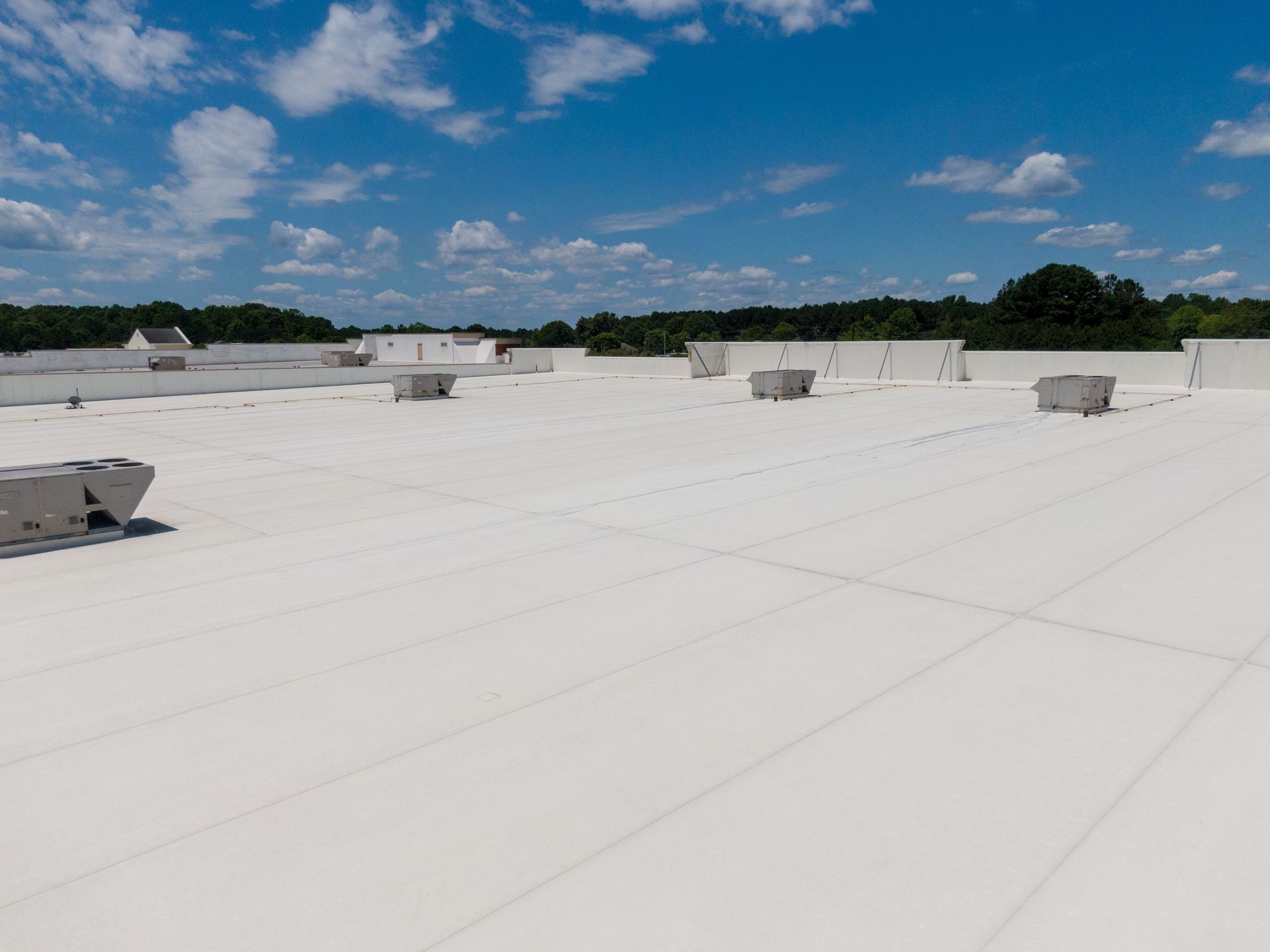
For those who prefer a hands-off approach, professional leaking roof solutions offer a safer and more thorough alternative. A qualified roofer can inspect the entire roof system, identify hidden damage, and make repairs that address both the symptom and the source. They also have the equipment to work safely at height and the experience to handle complex leak paths that are not obvious from the ground or the attic.
Ready Roofing, LLC, located at 5105 Philips Hwy Ste 205, Jacksonville, FL 32207, USA, provides residential and commercial roof repairs, replacements, inspections, and storm damage restoration across Northern Florida. Reach them at +1 904-404-9849 for help with any roof leak situation, whether you need a quick interior patch or a full exterior solution.